Discover 25 delicious ways to enjoy homemade bread without traditional wheat flour. From soft sandwich loaves and protein-containing flatbreads to sweet banana bread and savory
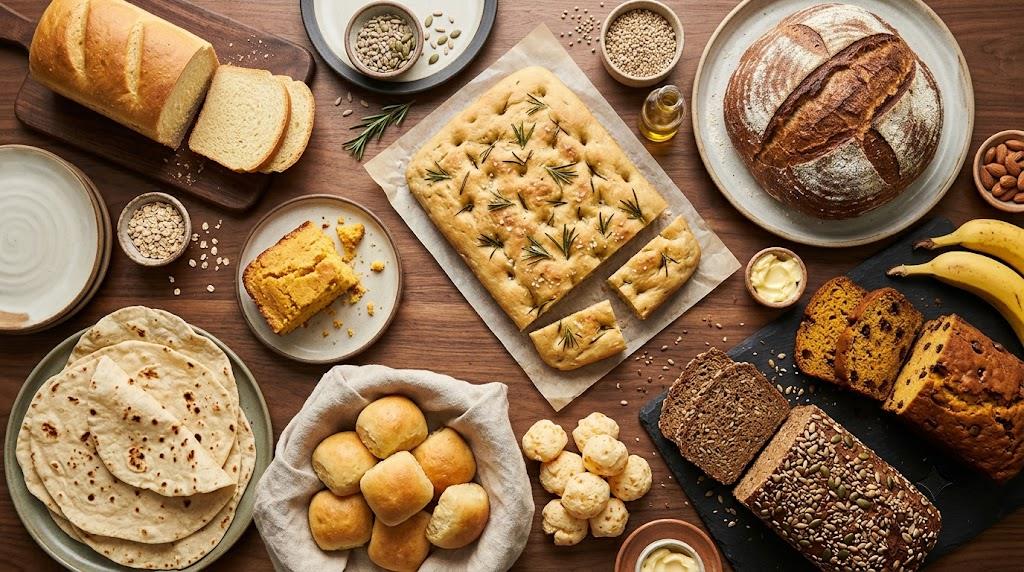
dinner rolls, these recipes bring variety, flavor, and nutritional goodness to your kitchen. Bread is one of those everyday foods that many people find difficult to give up. Whether it's a slice of toast with breakfast, a sandwich during lunch, or warm garlic bread alongside dinner, bread has a special place in our daily meals. However, traditional wheat-based bread isn't suitable for everyone. Some people need to avoid wheat because of an allergy, while others explore wheat-free alternatives to introduce different grains, seeds, and nutrient-rich ingredients into their diets. The good news is that avoiding wheat doesn't mean giving up delicious homemade bread. Ingredients such as almond flour, oat flour, buckwheat, chickpea flour, millet, and rice flour offer plenty of possibilities for creating satisfying baked goods. What's more, these alternatives have different nutritional qualities. Some provide plant-based protein, others contain dietary fiber, and certain ingredients offer healthy fats, vitamins, and minerals. In this guide, we're exploring 25 easy wheat-free bread recipes that you can prepare at home. Each recipe includes its own nutritional highlights, ingredients, and preparation instructions, so you can discover not only how to make these breads but also what makes their ingredients worth trying. Note: Wheat-free does not automatically mean gluten-free. People with celiac disease should use appropriately certified gluten-free ingredients and avoid cross-contact. Nutritional benefits depend on the complete recipe and serving size.
1. Fluffy Wheat-Free Sandwich Bread
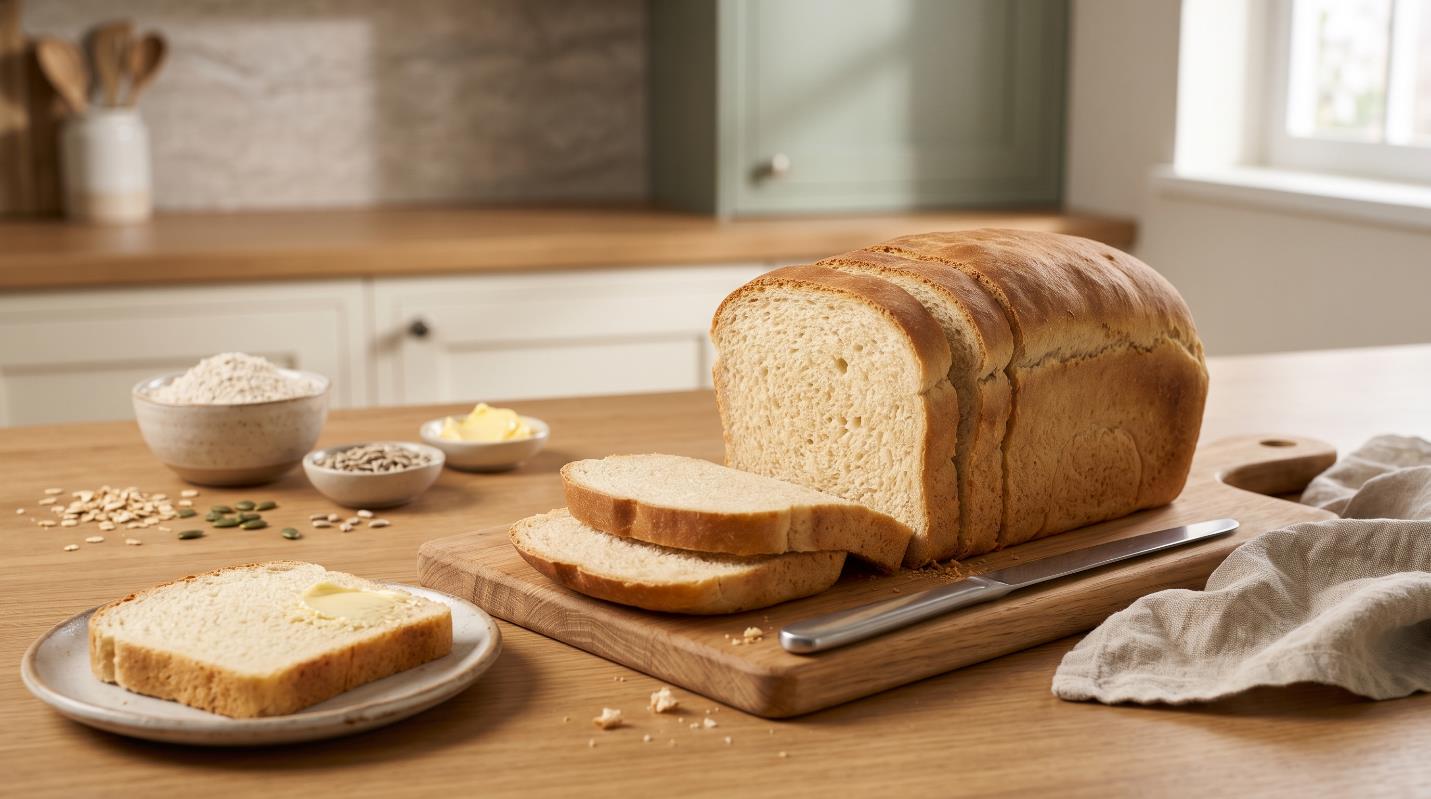
Sandwich bread is one of the most useful recipes to have in your kitchen. From quick breakfast toast to packed lunches and evening snacks, a soft homemade loaf can fit into almost any meal. This wheat-free version combines rice flour and tapioca starch to create a tender texture without traditional wheat flour. You can enjoy it with avocado, peanut butter, eggs, or your favorite sandwich fillings.
Why is it good for your diet?
Rice flour provides carbohydrates that supply energy for everyday activities, while eggs contribute protein, which helps maintain and repair body tissues. Psyllium husk adds soluble fiber, which supports digestive health and may help you feel fuller for longer. Olive oil contributes unsaturated fats, making this a useful option for people who want to experiment with different bread ingredients while maintaining a balanced diet. Ingredients:
- 2 cups rice flour
- 1 cup tapioca starch
- 2 teaspoons instant yeast
- 1 tablespoon sugar
- 1 teaspoon salt
- 1 tablespoon psyllium husk
- 1¼ cups warm water
- 2 eggs
- 2 tablespoons olive oil
Preparation:
- Mix psyllium husk with warm water and allow it to thicken for a few minutes.
- Combine rice flour, tapioca starch, yeast, sugar, and salt in a large bowl.
- Add eggs, olive oil, and the psyllium mixture.
- Mix until a thick, sticky dough forms.
- Transfer the mixture into a greased loaf pan.
- Cover and allow it to rise until visibly puffy.
- Bake at 375°F (190°C) for approximately 40–45 minutes.
- Allow the bread to cool completely before slicing.
2. Homemade Almond Flour Bread
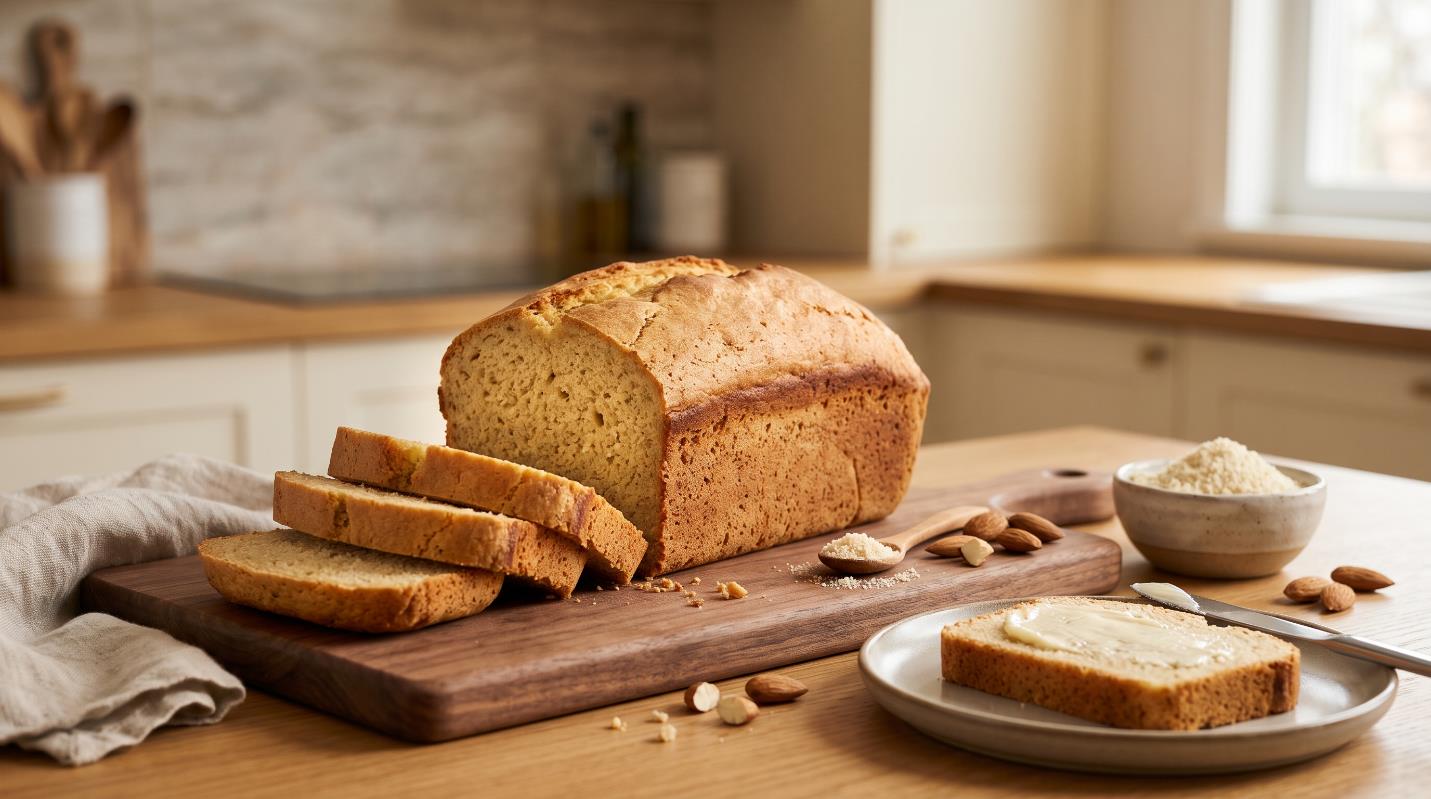
If you enjoy soft bread with a slightly nutty flavor, almond flour bread is worth trying. Almond flour is made from finely ground almonds and creates a moist, tender texture that works beautifully for breakfast toast and light sandwiches. Unlike many grain-based flours, almond flour contains naturally occurring unsaturated fats and vitamin E, making it an interesting ingredient for alternative baking.
Why is it good for your diet?
Almonds provide vitamin E, an antioxidant that helps protect cells from oxidative damage. They also contain plant-based protein, fiber, and unsaturated fats. These fats can contribute to a heart-healthy eating pattern when they replace less healthy fat sources. Eggs add additional protein, making this bread a satisfying option when paired with vegetables or other nutrient-rich toppings. Ingredients:
- 2 cups finely ground almond flour
- 4 eggs
- ¼ cup olive oil
- 1 teaspoon baking powder
- ½ teaspoon salt
- 1 tablespoon apple cider vinegar
Preparation:
- Preheat your oven to 350°F (175°C).
- Whisk the eggs, olive oil, and apple cider vinegar.
- Add almond flour, baking powder, and salt.
- Mix until you have a smooth batter.
- Pour into a lined loaf pan.
- Bake for approximately 35–40 minutes or until the center is set.
- Let it cool completely before slicing.
3. Rustic Buckwheat Artisan Bread
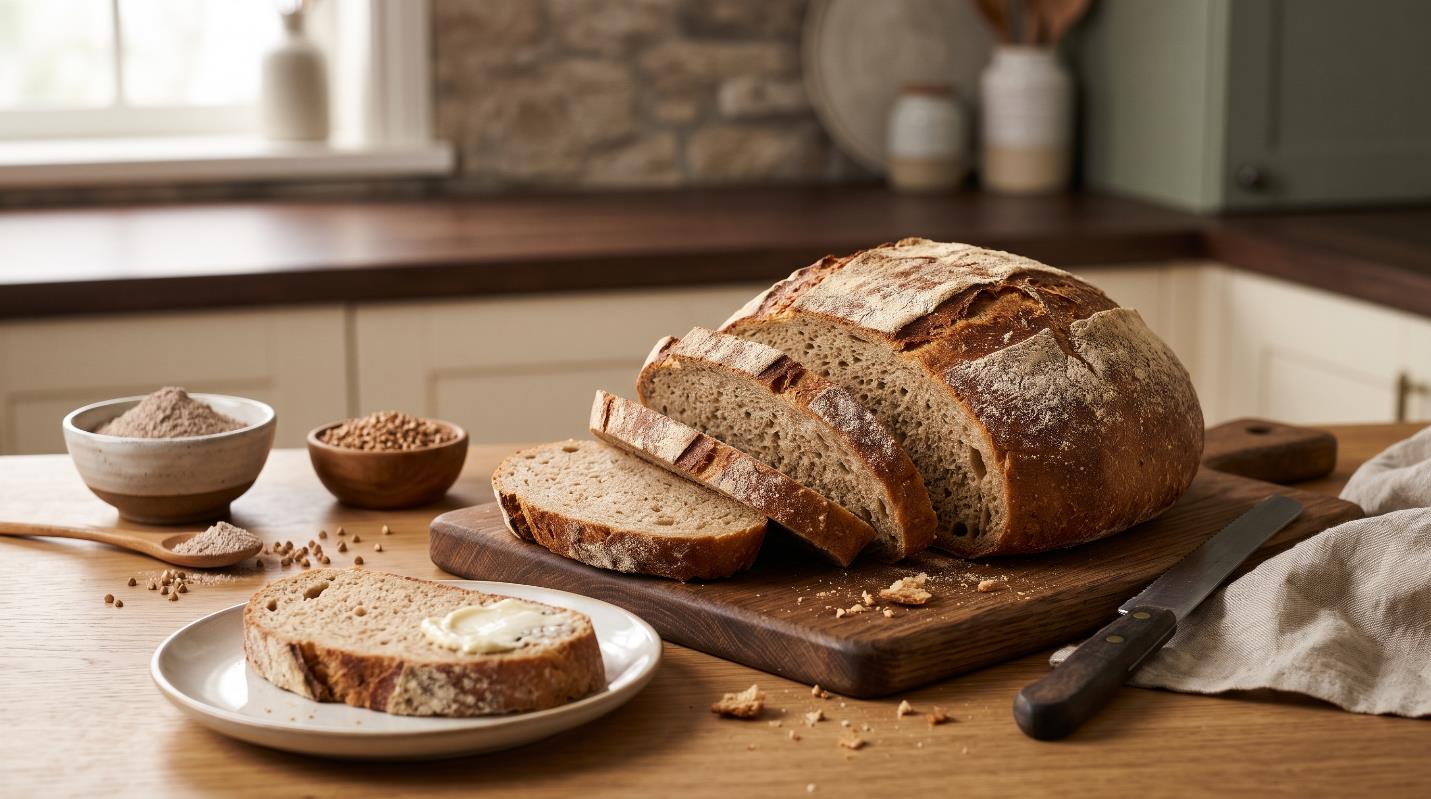
There's something special about a rustic homemade loaf with a golden crust and a hearty interior. Buckwheat bread offers exactly that, along with a distinctive earthy flavor. Despite its name, buckwheat isn't actually related to wheat. It's a naturally gluten-free pseudocereal that has been used in traditional cooking for generations. Its flour works particularly well in savory breads and can be combined with rice flour for a more balanced texture.
Why is it good for your diet?
Buckwheat provides plant-based protein, dietary fiber, magnesium, and other minerals. Fiber supports normal digestion, while magnesium contributes to normal muscle and nerve function. Combining buckwheat with other alternative flours creates a bread that offers a wider range of nutrients than relying on a single refined starch. Ingredients:
- 2 cups buckwheat flour
- 1 cup rice flour
- ½ cup tapioca starch
- 2 teaspoons instant yeast
- 1 tablespoon psyllium husk
- 1 teaspoon salt
- 1 tablespoon honey
- 1½ cups warm water
- 2 tablespoons olive oil
Preparation:
- Mix psyllium husk with warm water and let it thicken.
- Combine buckwheat flour, rice flour, tapioca starch, yeast, and salt.
- Add honey, olive oil, and the psyllium mixture.
- Mix into a thick, sticky dough.
- Transfer to a lined loaf pan or suitable baking vessel.
- Cover and allow it to rise until puffy.
- Bake at 400°F (200°C) until cooked through and golden, approximately 40–50 minutes.
- Cool completely before slicing.
4. Soft Homemade Oat Bread
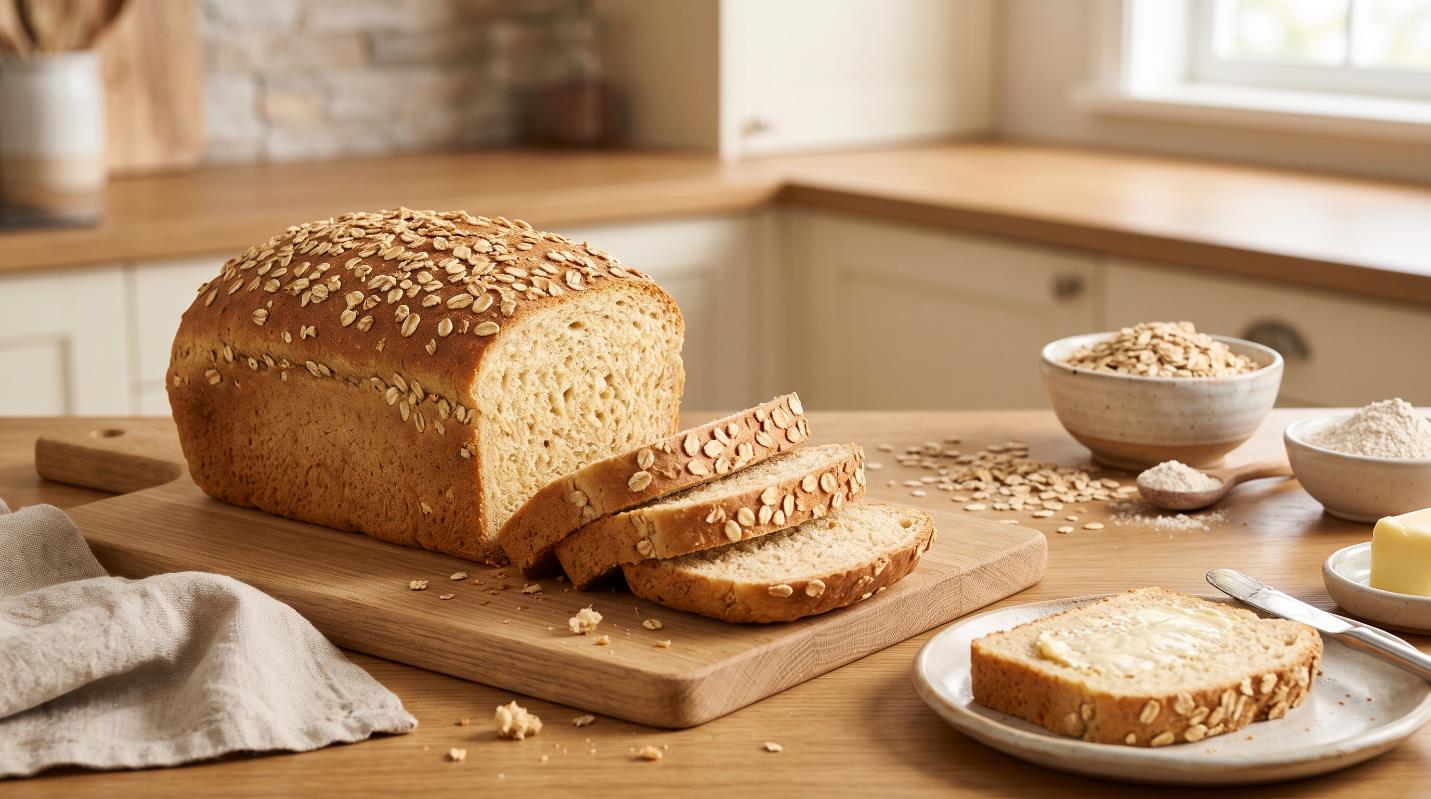
Oat bread is a wonderful option for anyone who enjoys mild flavors and soft homemade loaves. Oat flour has a naturally slightly sweet taste, making it suitable for both savory and sweet toppings. It also contains beta-glucan, a type of soluble fiber that makes oats particularly interesting from a nutritional perspective. Enjoy this bread with breakfast eggs, fruit spreads, or a simple avocado topping.
Why is it good for your diet?
Oats are known for their beta-glucan content, which can help support healthy LDL cholesterol levels when consumed regularly in sufficient amounts as part of an appropriate diet. Oat flour also contributes dietary fiber, which supports digestive health and can help with feelings of fullness. Eggs and yogurt provide protein, making this loaf a useful addition to a balanced breakfast. Ingredients:
- 2 cups oat flour
- ½ cup tapioca starch
- 2 eggs
- 1 cup plain yogurt
- 1 tablespoon honey
- 1 teaspoon baking powder
- ½ teaspoon salt
Preparation:
- Combine oat flour, tapioca starch, baking powder, and salt.
- Whisk eggs, yogurt, and honey in another bowl.
- Add the wet ingredients to the dry mixture.
- Mix until evenly combined.
- Transfer to a greased loaf pan.
- Sprinkle a few rolled oats over the surface if desired.
- Bake at 350°F (175°C) for approximately 40–45 minutes.
- Cool before slicing. Use certified gluten-free oats if gluten avoidance is required.
5. Easy Chickpea Flour Flatbread
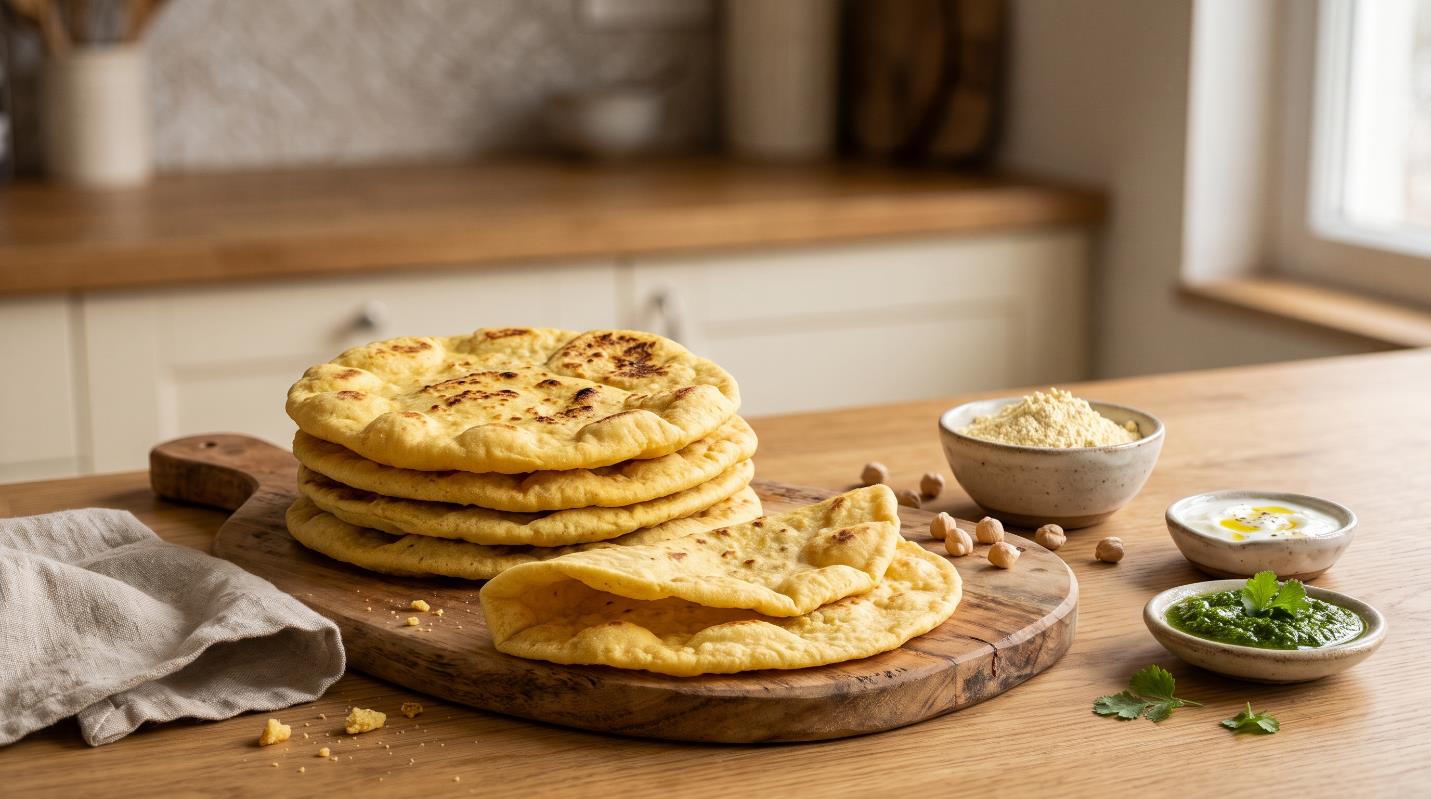
Looking for something quick that doesn't require an oven? Chickpea flour flatbread is a great choice. Also known as besan or gram flour, chickpea flour has a slightly savory flavor that pairs beautifully with herbs, spices, vegetables, and dips. You can prepare these flatbreads in a regular skillet, making them particularly convenient for quick lunches or light dinners.
Why is it good for your diet?
Chickpea flour contains plant-based protein and dietary fiber, both of which can help make meals more satisfying. It also contributes minerals such as iron and magnesium. Protein supports muscle maintenance and repair, while fiber contributes to digestive health. Pairing these flatbreads with vegetables or a protein-rich filling can make a more balanced meal. Ingredients:
- 1 cup chickpea flour
- ¾ cup water
- 1 tablespoon olive oil
- ½ teaspoon salt
- ½ teaspoon cumin
- 2 tablespoons chopped fresh cilantro
Preparation:
- Add chickpea flour to a mixing bowl.
- Gradually whisk in water until smooth.
- Add olive oil, salt, cumin, and chopped cilantro.
- Allow the batter to rest for 10–15 minutes.
- Heat a lightly greased skillet over medium heat.
- Pour a small portion of batter into the pan and spread into a thin circle.
- Cook until the edges become firm, then flip.
- Cook the other side until lightly golden.
6. Fluffy Rice Flour Dinner Rolls
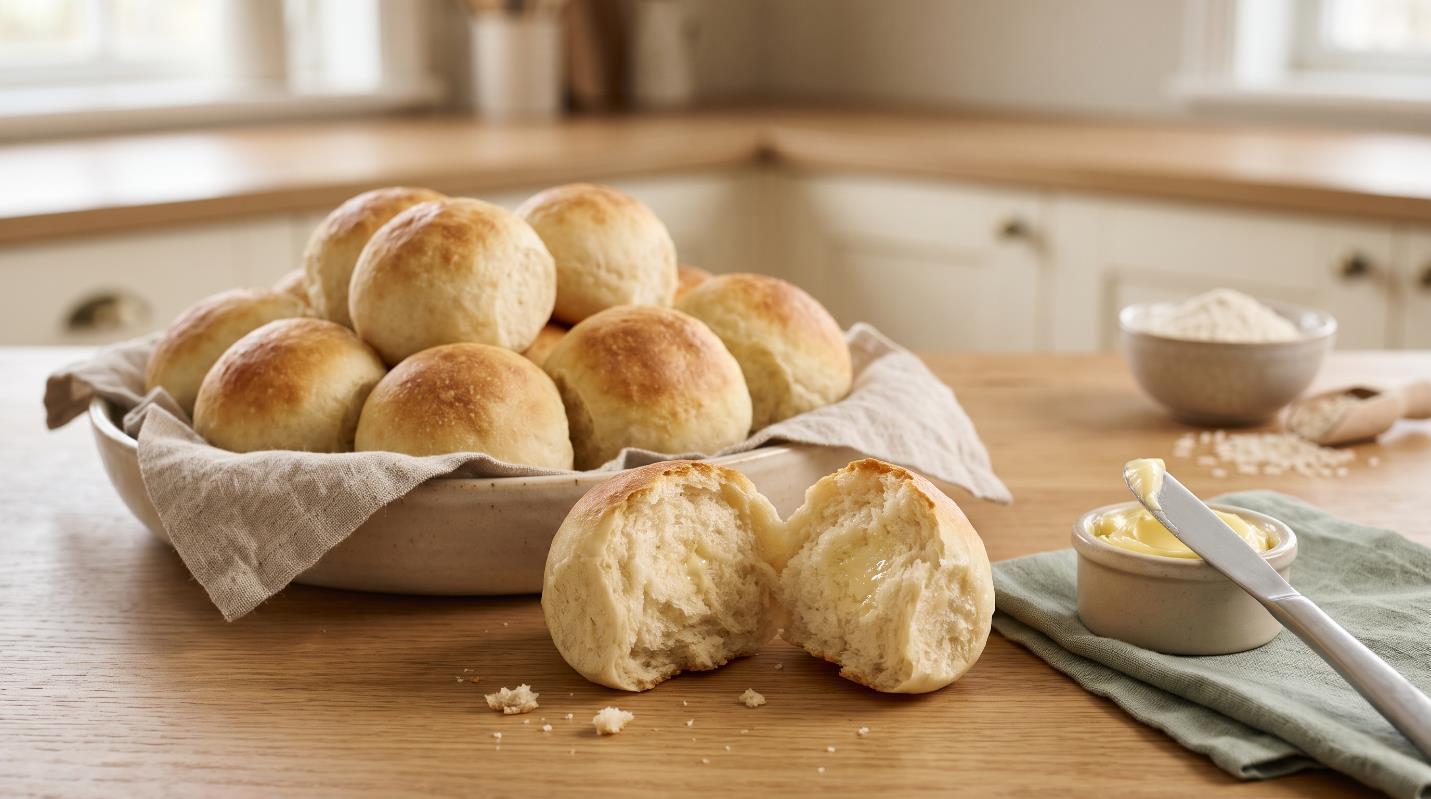
Soft dinner rolls can make an ordinary meal feel a little more special. These wheat-free rolls combine rice flour and tapioca starch to create a tender interior with a slightly chewy texture. They're perfect for family dinners, holiday gatherings, or serving alongside a warm bowl of soup. You can also brush them with garlic butter and herbs for extra flavor.
Why are they good for your diet?
Rice flour supplies carbohydrates, which are an important source of energy. Milk and eggs add protein, while milk also contributes calcium, which supports normal bone health. These rolls can fit into a balanced meal when served alongside vegetables and a suitable protein source. Ingredients:
- 2 cups rice flour
- ¾ cup tapioca starch
- 2 teaspoons instant yeast
- 1 tablespoon sugar
- 1 teaspoon salt
- 1 cup warm milk
- 1 egg
- 2 tablespoons melted butter
- 1 teaspoon xanthan gum, if not already included in the flour blend
Preparation:
- Combine rice flour, tapioca starch, yeast, sugar, salt, and xanthan gum.
- Add warm milk, egg, and melted butter.
- Mix into a soft, sticky dough.
- Divide into small portions and shape into rolls.
- Arrange them in a greased baking dish.
- Cover and let rise until visibly puffy.
- Bake at 375°F (190°C) for approximately 20–25 minutes.
- Brush with melted butter while warm.
7. Cheesy Garlic Breadsticks
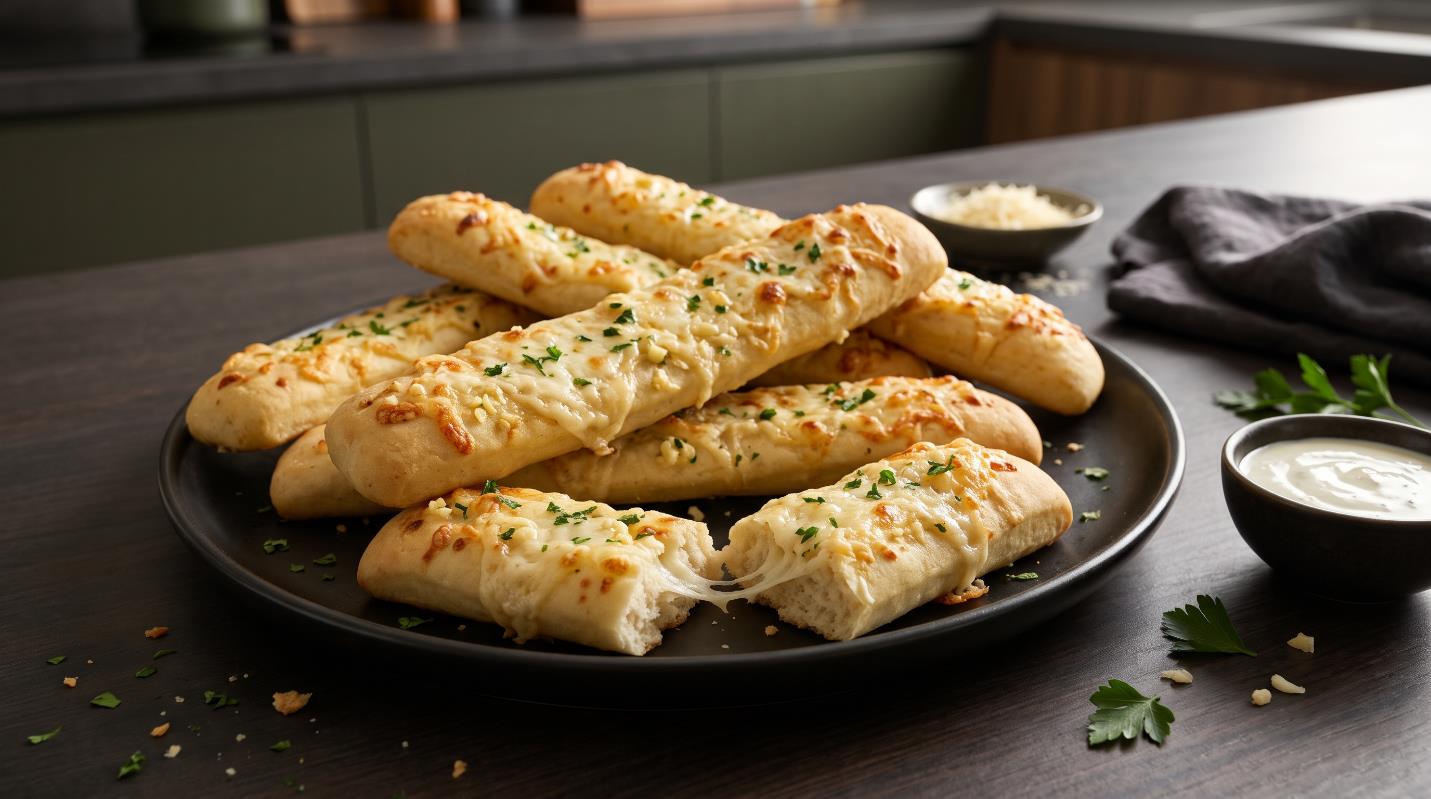
Cheesy garlic breadsticks are a favorite for pasta nights, casual gatherings, and evening snacks. This wheat-free version uses a suitable flour blend and Greek yogurt to create a soft base, while mozzarella adds a delicious cheesy topping. The combination of garlic, herbs, and melted cheese makes these breadsticks especially satisfying.
Why are they good for your diet?
Greek yogurt provides protein, while mozzarella contributes protein and calcium. Garlic contains naturally occurring plant compounds, and herbs add flavor without requiring large amounts of salt. Although cheese also contributes saturated fat and sodium, these breadsticks can be enjoyed in sensible portions as part of a varied diet. Ingredients:
- 1½ cups gluten-free all-purpose flour blend
- ¾ cup plain Greek yogurt
- 1 teaspoon baking powder
- ½ teaspoon salt
- ½ cup shredded mozzarella
- 2 tablespoons melted butter
- 2 garlic cloves, minced
- 1 teaspoon Italian seasoning
Preparation:
- Mix the flour, Greek yogurt, baking powder, and salt.
- Fold in half the shredded mozzarella.
- Knead gently until a soft dough forms.
- Shape the dough into breadsticks and place on a lined tray.
- Combine melted butter, garlic, and Italian seasoning.
- Brush the mixture over the breadsticks.
- Sprinkle the remaining mozzarella on top.
- Bake at 400°F (200°C) for approximately 15–20 minutes.
8. Hearty Buckwheat Sandwich Loaf
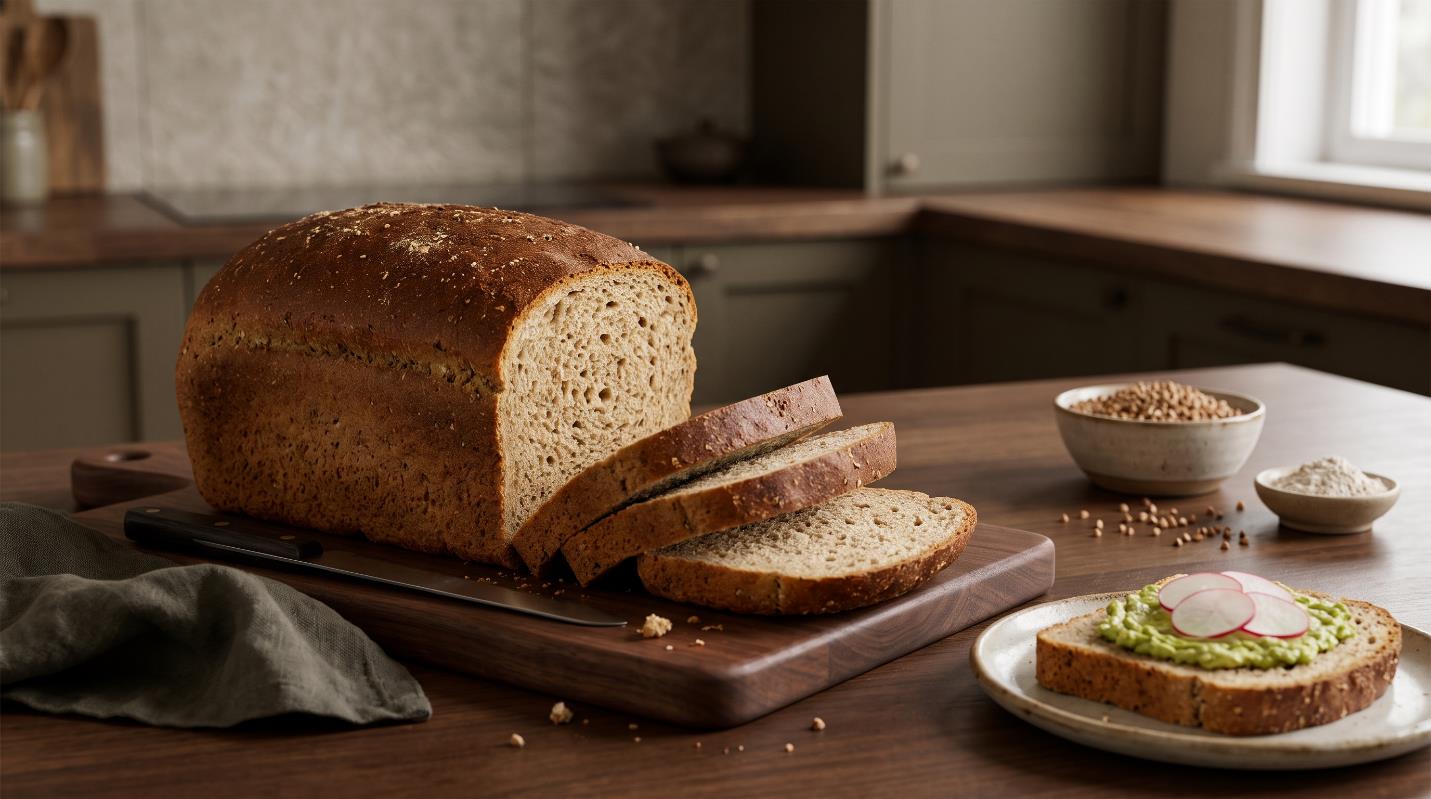
If you prefer bread with a richer flavor and a slightly denser texture, this buckwheat sandwich loaf is an excellent alternative. Buckwheat flour has a naturally earthy taste that works well with savory toppings, making it suitable for sandwiches, toast, and open-faced breakfast meals. Combining it with rice flour and tapioca starch helps create a more balanced texture.
Why is it good for your diet?
Buckwheat provides plant-based protein, fiber, and minerals such as magnesium and manganese. These nutrients contribute to normal muscle function, energy metabolism, and digestive health. The addition of psyllium husk increases the fiber content, which can help support regular bowel movements and promote fullness. Ingredients:
- 1½ cups buckwheat flour
- 1 cup rice flour
- ½ cup tapioca starch
- 2 teaspoons instant yeast
- 1 tablespoon psyllium husk
- 1 teaspoon salt
- 1 tablespoon honey
- 1½ cups warm water
- 2 tablespoons olive oil
Preparation:
- Mix psyllium husk with warm water and let it thicken.
- Combine the flours, tapioca starch, yeast, and salt.
- Add honey, olive oil, and the psyllium mixture.
- Mix until a thick dough forms.
- Transfer to a greased loaf pan.
- Cover and allow it to rise until puffy.
- Bake at 375°F (190°C) for approximately 40–50 minutes.
- Cool fully before slicing.
9. Sweet Homemade Banana Bread
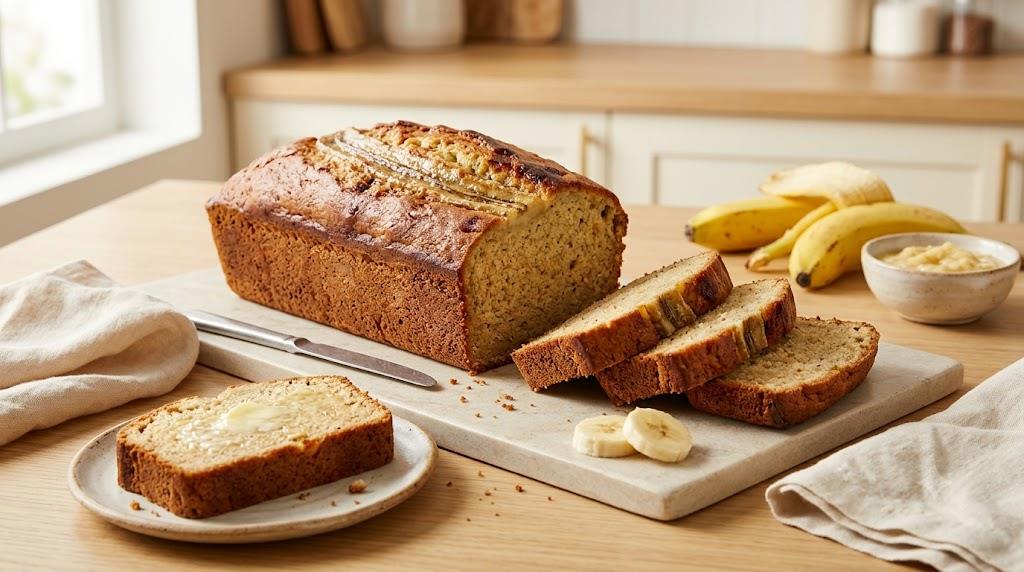
Banana bread is a classic homemade treat that works beautifully as a breakfast option or afternoon snack. Ripe bananas provide natural sweetness and moisture, while oat flour gives the loaf a soft texture. It's also a practical way to use overripe bananas instead of throwing them away. Add a little cinnamon and vanilla, and your kitchen will smell wonderful while it bakes.
Why is it good for your diet?
Bananas provide potassium, which plays an important role in normal muscle function and fluid balance. Oats contribute beta-glucan and dietary fiber, while eggs provide protein. The fiber can help make this bread more satisfying, although the added maple syrup and coconut oil also contribute calories. It can be included in a balanced diet, with portion size depending on your individual needs. Ingredients:
- 2 cups oat flour
- 3 ripe bananas
- 2 eggs
- ¼ cup maple syrup
- ¼ cup melted coconut oil
- 1 teaspoon baking soda
- 1 teaspoon cinnamon
- 1 teaspoon vanilla extract
Preparation:
- Preheat the oven to 350°F (175°C).
- Mash the bananas until smooth.
- Add eggs, maple syrup, coconut oil, and vanilla.
- Stir in oat flour, baking soda, and cinnamon.
- Mix until evenly combined.
- Pour into a lined loaf pan.
- Bake for approximately 45–55 minutes.
- Cool before slicing.
10. Golden Cornbread With Honey
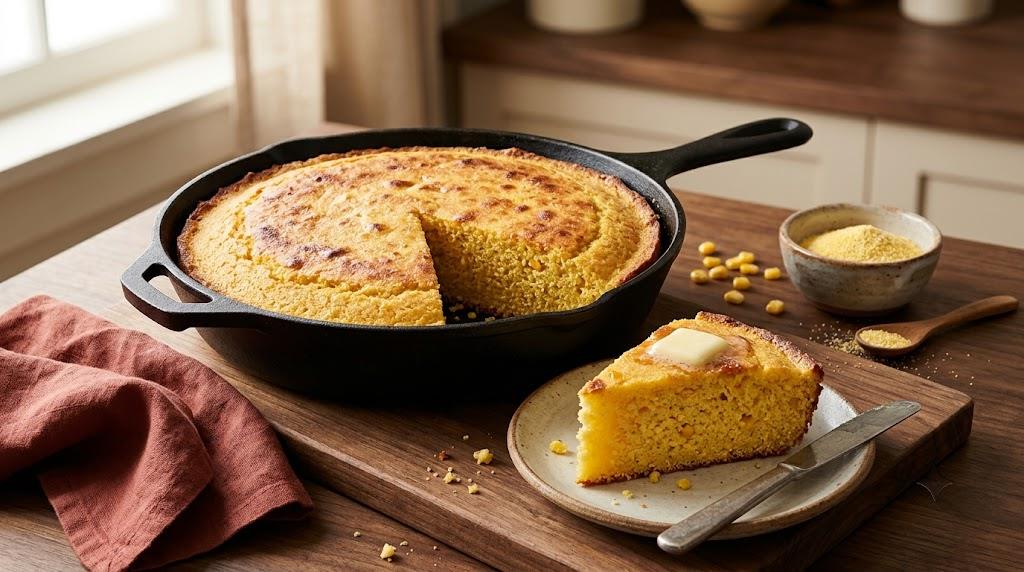
Cornbread is a comforting classic, especially when served with chili, soups, and barbecue meals. Its slightly crumbly texture and naturally sweet corn flavor make it different from traditional sandwich bread. This wheat-free version combines cornmeal and rice flour to create a golden loaf that tastes wonderful when served warm with a little butter and honey.
Why is it good for your diet?
Cornmeal provides carbohydrates for energy and contributes dietary fiber. Yellow cornmeal also contains carotenoids, including lutein and zeaxanthin, which are found in the eye's retina. Milk and eggs add protein and other nutrients. Together, these ingredients make a flavorful side dish that can complement a balanced meal. Ingredients:
- 1½ cups cornmeal
- ½ cup rice flour
- 1 tablespoon baking powder
- ½ teaspoon salt
- 2 eggs
- 1 cup milk
- ¼ cup honey
- ¼ cup melted butter
Preparation:
- Preheat the oven to 400°F (200°C).
- Combine cornmeal, rice flour, baking powder, and salt.
- Whisk eggs, milk, honey, and melted butter separately.
- Add the wet mixture to the dry ingredients.
- Stir until just combined.
- Pour into a greased baking dish.
- Bake for approximately 20–25 minutes until golden.
- Serve warm with butter or honey.
11. Coconut Flour Breakfast Bread
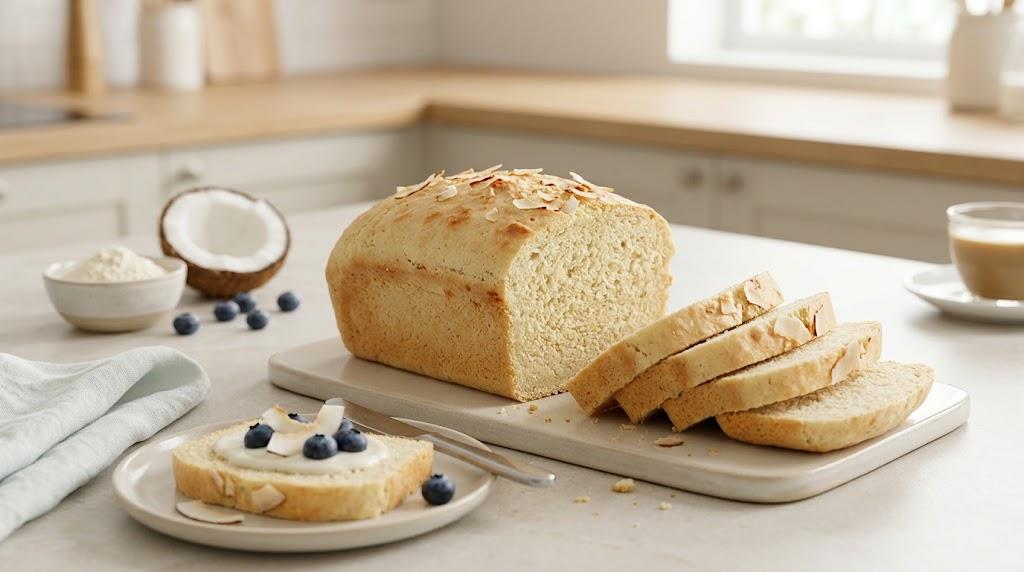
Coconut flour is a particularly interesting ingredient because it contains a significant amount of dietary fiber and absorbs much more liquid than many other flours. This makes it useful for creating small, satisfying breakfast loaves. Its mild coconut flavor also pairs nicely with cinnamon, nut butter, berries, and other sweet toppings.
Why is it good for your diet?
Coconut flour contributes dietary fiber, which supports digestion and can help promote feelings of fullness. Eggs provide protein, while coconut oil contributes fat and energy. A fiber-containing breakfast may help make a meal more satisfying, although no single bread can guarantee weight loss or improved skin health. Ingredients:
- ½ cup coconut flour
- 6 eggs
- ¼ cup melted coconut oil
- ½ teaspoon baking soda
- 1 tablespoon apple cider vinegar
- ¼ teaspoon salt
- 1 teaspoon cinnamon (optional)
Preparation:
- Preheat the oven to 350°F (175°C).
- Whisk eggs and melted coconut oil.
- Add coconut flour, baking soda, vinegar, and salt.
- Mix thoroughly to remove lumps.
- Allow the batter to rest for a few minutes so the flour can absorb moisture.
- Pour into a lined loaf pan.
- Bake for approximately 35–40 minutes.
- Cool completely before slicing.
12. Homemade Cassava Flour Bread
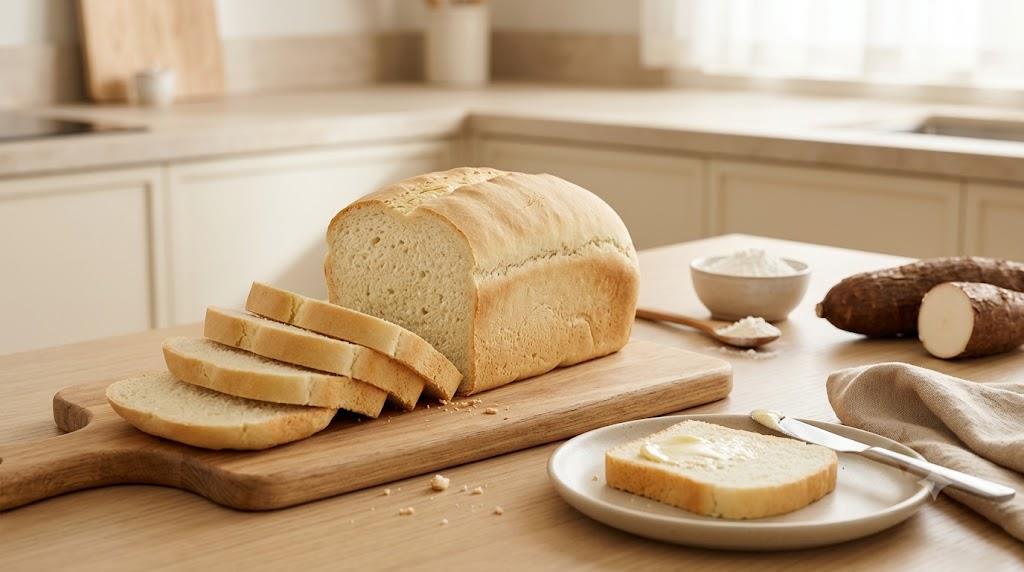
Cassava flour is made from the cassava root and has a mild taste that makes it useful in many wheat-free recipes. Unlike almond or chickpea flour, cassava is primarily a carbohydrate source, so it creates a different nutritional profile. This simple loaf is suitable for people who want to experiment with root-based flour alternatives and enjoy a neutral flavor that pairs with both sweet and savory spreads.
Why is it good for your diet?
Cassava provides carbohydrates, which the body uses as its main energy source. Eggs add protein and fats, while olive oil contributes unsaturated fats. Because cassava flour is relatively low in protein and fiber compared with some alternatives, serving this bread with eggs, vegetables, or other protein-rich foods can create a more balanced meal. Ingredients:
- 1½ cups cassava flour
- 3 eggs
- ½ cup coconut milk
- ¼ cup olive oil
- 1 teaspoon baking powder
- ½ teaspoon salt
Preparation:
- Preheat the oven to 350°F (175°C).
- Whisk eggs, coconut milk, and olive oil.
- Add cassava flour, baking powder, and salt.
- Mix until evenly combined.
- Transfer into a lined loaf pan.
- Bake for approximately 35–45 minutes or until set.
- Let it cool before slicing.
13. Homemade Quinoa Bread
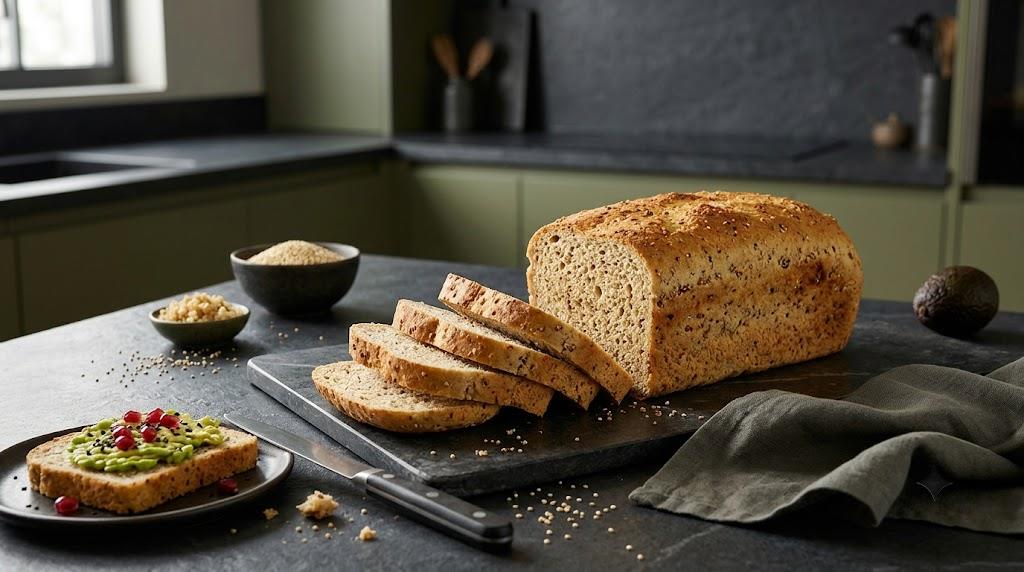
Quinoa is well known for its plant-based protein content, making it an interesting ingredient for people looking to diversify their everyday meals. Although quinoa is technically a pseudocereal, its flour works well in many alternative baking recipes. This loaf combines quinoa flour with rice flour and tapioca starch to create a hearty bread with a mild nutty flavor.
Why is it good for your diet?
Quinoa provides plant protein, dietary fiber, magnesium, and other minerals. It is also notable for containing all nine essential amino acids. Protein supports muscle maintenance and repair, while fiber contributes to normal digestion. Adding quinoa-based foods to a varied diet can help increase the range of plant nutrients you consume. Ingredients:
- 1 cup quinoa flour
- 1 cup rice flour
- ½ cup tapioca starch
- 2 eggs
- 2 teaspoons instant yeast
- 1 tablespoon psyllium husk
- 1 tablespoon honey
- 1 teaspoon salt
- 1½ cups warm water
Preparation:
- Mix psyllium husk with warm water and allow it to thicken.
- Combine quinoa flour, rice flour, tapioca starch, yeast, and salt.
- Add eggs, honey, and the psyllium mixture.
- Mix into a thick dough.
- Transfer to a greased loaf pan.
- Cover and allow it to rise until puffy.
- Bake at 375°F (190°C) for approximately 40–50 minutes.
- Cool completely before slicing.
14. Savory Zucchini Bread
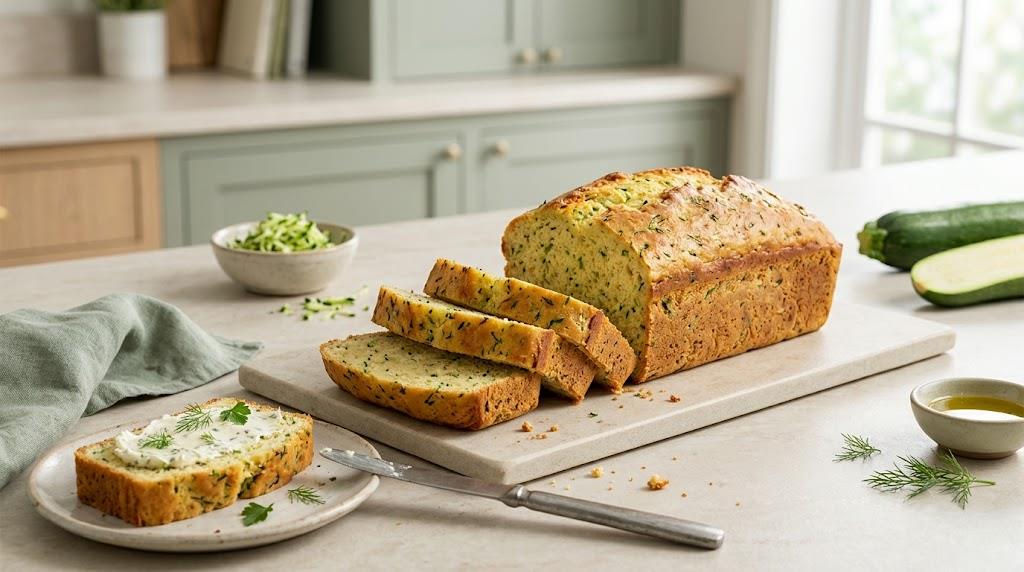
Zucchini bread is a wonderful way to bring vegetables into homemade baking without making the loaf taste overly vegetable-heavy. This savory version combines grated zucchini, oat flour, almond flour, and cheddar cheese. The result is a moist loaf with a mild flavor that works beautifully as a lunchbox snack or a side for soups and salads.
Why is it good for your diet?
Zucchini contains water, fiber, and small amounts of several vitamins and minerals. Oat flour contributes beta-glucan, while almond flour provides vitamin E and unsaturated fats. Eggs and cheddar add protein. These ingredients create a more varied nutritional profile than a recipe made entirely from refined starch. Ingredients:
- 1½ cups oat flour
- ½ cup almond flour
- 1 cup grated zucchini, squeezed dry
- 2 eggs
- ½ cup shredded cheddar
- ¼ cup olive oil
- 1 teaspoon baking powder
- ½ teaspoon salt
- 1 teaspoon dried oregano
Preparation:
- Preheat the oven to 350°F (175°C).
- Grate the zucchini and squeeze out excess moisture.
- Whisk eggs and olive oil.
- Add oat flour, almond flour, baking powder, salt, and oregano.
- Fold in the zucchini and cheddar.
- Transfer into a lined loaf pan.
- Bake for approximately 40–45 minutes.
- Cool before slicing.
15. Soft Millet Flour Bread
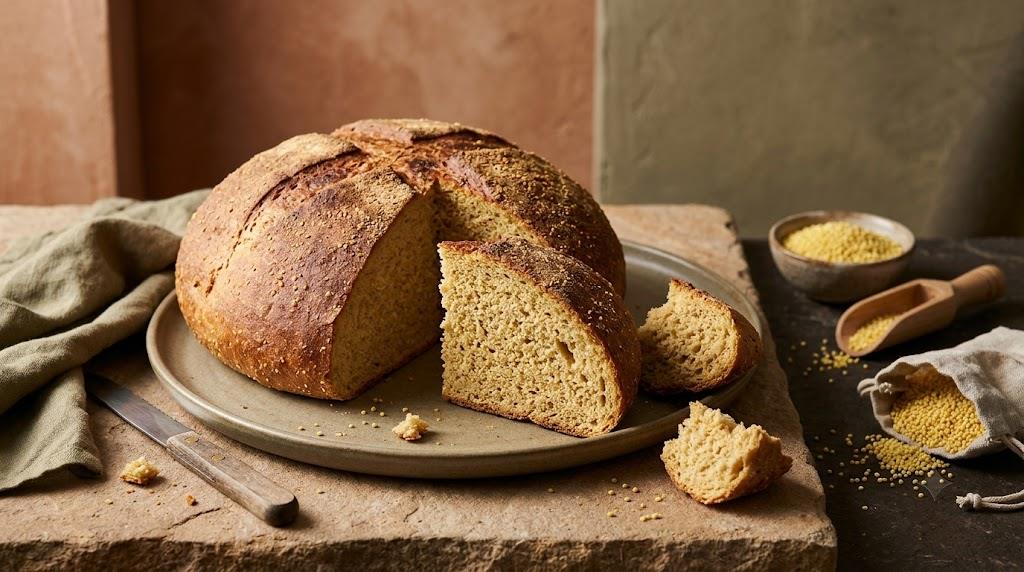
Millet has been used in traditional diets around the world for centuries, and its flour is a useful alternative for wheat-free baking. It has a mild flavor and can be combined with rice flour and tapioca starch to produce a loaf suitable for everyday meals. If you're interested in exploring different grains and their nutritional qualities, millet bread is a good recipe to try.
Why is it good for your diet?
Millet contributes carbohydrates, dietary fiber, magnesium, and phosphorus. Magnesium plays a role in normal muscle and nerve function, while phosphorus supports healthy bones and energy metabolism. Combining millet with psyllium husk can also increase the fiber content of your homemade bread. Ingredients:
- 1½ cups millet flour
- 1 cup rice flour
- ½ cup tapioca starch
- 2 teaspoons instant yeast
- 1 tablespoon psyllium husk
- 1 tablespoon honey
- 1 teaspoon salt
- 1½ cups warm water
Preparation:
- Mix psyllium husk with warm water.
- Combine millet flour, rice flour, tapioca starch, yeast, and salt.
- Add honey and the psyllium mixture.
- Mix until a thick dough forms.
- Transfer to a greased loaf pan.
- Let rise until visibly puffy.
- Bake at 375°F (190°C) for approximately 40–50 minutes.
- Cool completely before slicing.
16. Homemade Potato Bread
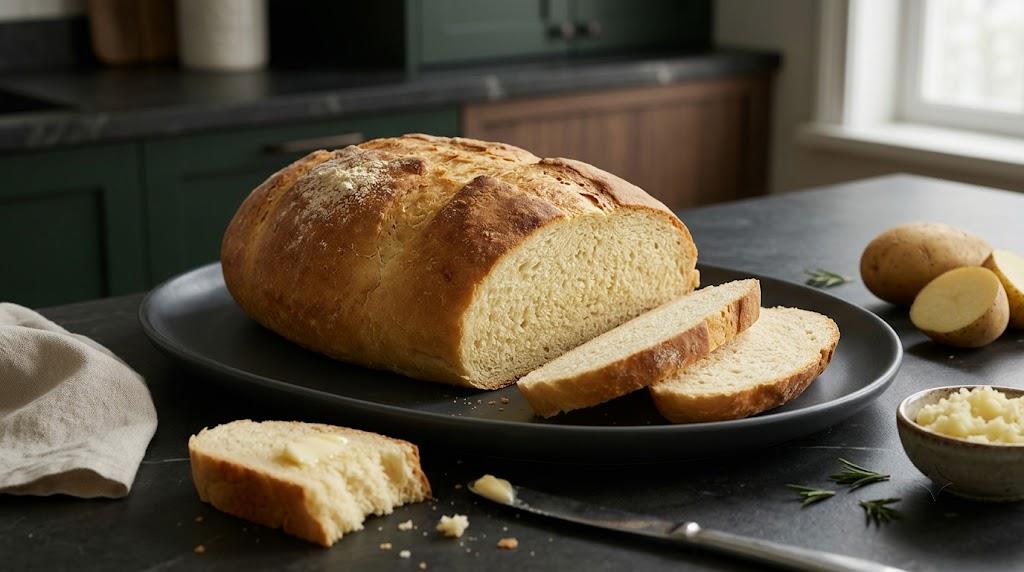
Potatoes aren't just for mashed potatoes and fries. They can also be used in homemade bread to create a soft, moist texture. This wheat-free version combines mashed potatoes with rice flour and tapioca starch, producing a versatile loaf that works well with savory spreads and everyday meals.
Why is it good for your diet?
Potatoes provide potassium, which helps maintain normal fluid balance and supports muscle function. They also supply carbohydrates for energy. Eggs and milk contribute protein, while milk provides calcium for bone health. Keeping the potato skin in your overall diet through other meals can also be a useful way to increase fiber intake. Ingredients:
- 1 cup mashed cooked potato
- 1½ cups rice flour
- ½ cup tapioca starch
- 2 eggs
- 2 teaspoons instant yeast
- 1 tablespoon sugar
- ¾ cup warm milk
- 1 teaspoon salt
- 1 tablespoon olive oil
Preparation:
- Cook and mash the potatoes until smooth.
- Allow them to cool before using.
- Combine mashed potatoes, eggs, warm milk, and olive oil.
- Mix rice flour, tapioca starch, yeast, sugar, and salt separately.
- Combine the wet and dry ingredients.
- Transfer into a greased loaf pan.
- Cover and let rise until puffy.
- Bake at 375°F (190°C) for approximately 40–45 minutes.
17. Almond Flour Dinner Rolls
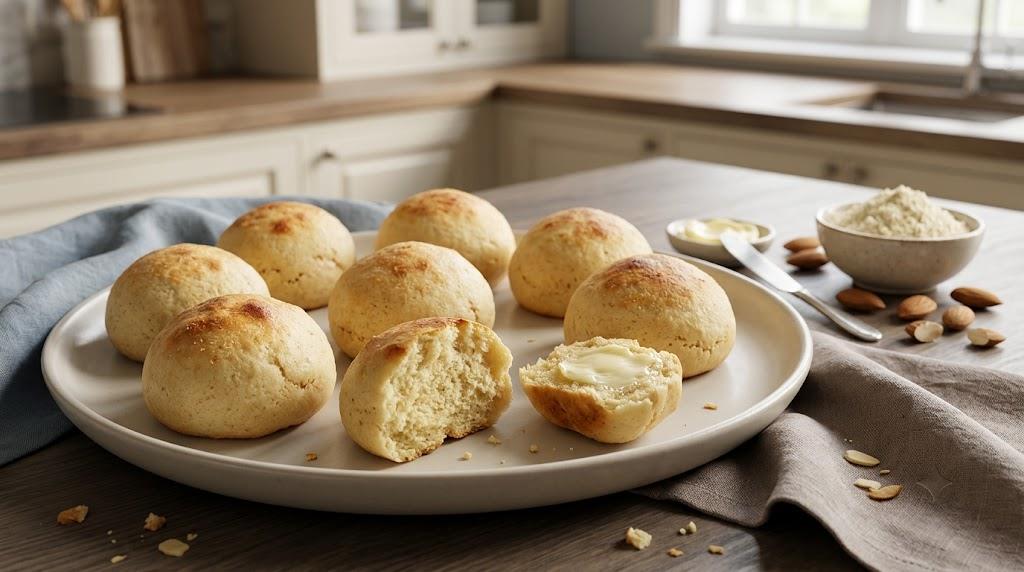
These small almond flour rolls are a lovely option when you want something different from conventional dinner bread. They have a slightly nutty flavor and a tender texture, making them especially enjoyable when served warm with herb butter or a bowl of homemade soup. Their smaller size also makes them convenient for sharing at family dinners.
Why are they good for your diet?
Almond flour contributes vitamin E, plant protein, fiber, and unsaturated fats. Vitamin E supports protection against oxidative damage, while protein helps maintain body tissues. Mozzarella adds calcium and additional protein. Since almond flour is energy-dense, portion size is worth considering if you're monitoring your calorie intake. Ingredients:
- 2 cups almond flour
- 2 eggs
- ½ cup shredded mozzarella
- 2 tablespoons olive oil
- 1 teaspoon baking powder
- ½ teaspoon salt
- 1 teaspoon dried herbs
Preparation:
- Preheat the oven to 350°F (175°C).
- Combine almond flour, baking powder, salt, and herbs.
- Add eggs, mozzarella, and olive oil.
- Mix into a soft dough.
- Divide into small portions and shape into balls.
- Arrange on a lined baking tray.
- Bake for approximately 18–22 minutes.
- Allow to cool slightly before serving.
18. Brazilian-Style Tapioca Cheese Bread

Inspired by Brazilian pão de queijo, these little cheese breads are known for their chewy centers and lightly crisp exteriors. They are made using tapioca starch rather than conventional wheat flour, making them naturally wheat-free. Their small size makes them ideal for breakfast, afternoon snacks, or serving at gatherings.
Why are they good for your diet?
Tapioca starch provides carbohydrates for energy, while eggs and cheese contribute protein. Cheese also supplies calcium, which is important for maintaining healthy bones and teeth. This recipe is more of an occasional savory snack than a high-fiber bread, so consider serving it with vegetables or fruit to add more dietary fiber to your meal. Ingredients:
- 2 cups tapioca starch
- 1 cup shredded Parmesan or mozzarella
- 1 egg
- ½ cup milk
- ¼ cup olive oil
- ½ teaspoon salt
Preparation:
- Preheat the oven to 375°F (190°C).
- Heat milk and olive oil until steaming.
- Pour carefully over the tapioca starch and stir.
- Allow the mixture to cool slightly.
- Add the egg, cheese, and salt.
- Mix into a soft dough.
- Shape into small balls.
- Bake for approximately 20–25 minutes until puffed and lightly golden.
19. Easy Skillet Buckwheat Flatbread
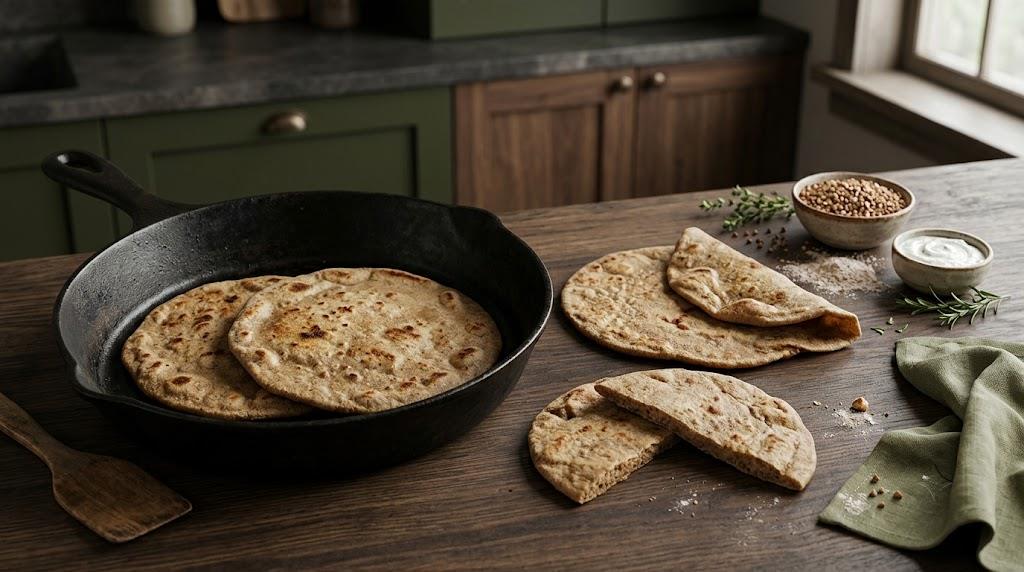
Not every homemade bread recipe needs an oven, yeast, or a long preparation time. These skillet buckwheat flatbreads are a convenient option when you want something fresh for lunch or dinner. Their earthy flavor pairs particularly well with hummus, roasted vegetables, grilled chicken, and homemade dips.
Why are they good for your diet?
Buckwheat provides plant-based protein, dietary fiber, and magnesium. Fiber helps support regular digestion, while magnesium contributes to normal muscle and nerve function. Using buckwheat instead of relying entirely on refined starches can also help introduce more variety into your meals. Ingredients:
- 1 cup buckwheat flour
- ½ cup tapioca starch
- ¾ cup warm water
- 1 tablespoon olive oil
- ½ teaspoon salt
Preparation:
- Combine buckwheat flour, tapioca starch, and salt.
- Add warm water and olive oil.
- Mix until a soft dough forms.
- Divide into small portions.
- Roll each portion between sheets of parchment paper.
- Heat a skillet over medium heat.
- Cook each flatbread for approximately 2–3 minutes per side.
- Serve warm with your favorite fillings.
20. Cinnamon Swirl Breakfast Bread
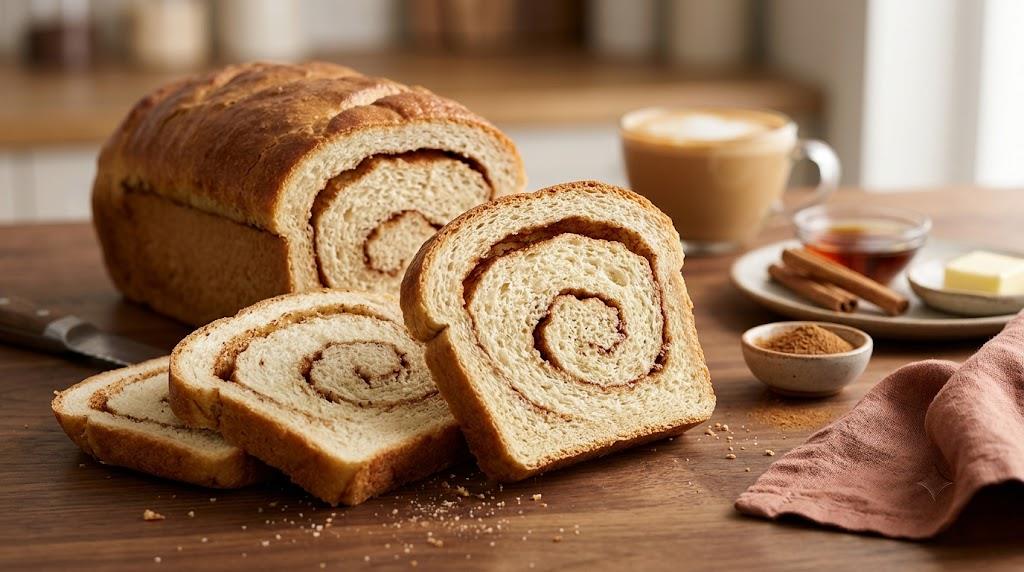
If you enjoy sweet breakfast options, this cinnamon swirl bread is a lovely addition to your wheat-free baking collection. It combines a soft bread base with a delicious filling of cinnamon and brown sugar. The beautiful swirl running through each slice makes it particularly appealing when served at brunch or alongside a morning cup of coffee.
Why is it good for your diet?
Cinnamon contains naturally occurring plant compounds with antioxidant properties. Milk and eggs contribute protein, while the flour blend provides carbohydrates for energy. Although this bread is a delicious breakfast treat, it also contains added sugar and butter, so it is best enjoyed in moderate portions as part of a varied diet. Ingredients:
- 2 cups gluten-free all-purpose flour blend
- 2 eggs
- ¾ cup milk
- ¼ cup melted butter
- ½ cup sugar
- 2 teaspoons baking powder
- 1 teaspoon vanilla extract
For the cinnamon filling:
- ¼ cup brown sugar
- 1 tablespoon cinnamon
- 1 tablespoon softened butter
Preparation:
- Preheat the oven to 350°F (175°C).
- Mix flour, sugar, and baking powder.
- Add eggs, milk, melted butter, and vanilla.
- Pour half the batter into a lined loaf pan.
- Mix brown sugar, cinnamon, and softened butter.
- Spread the filling over the batter.
- Add the remaining batter.
- Swirl gently using a knife.
- Bake for approximately 40–50 minutes.
- Cool before slicing.
21. Fluffy Sweet Potato Bread
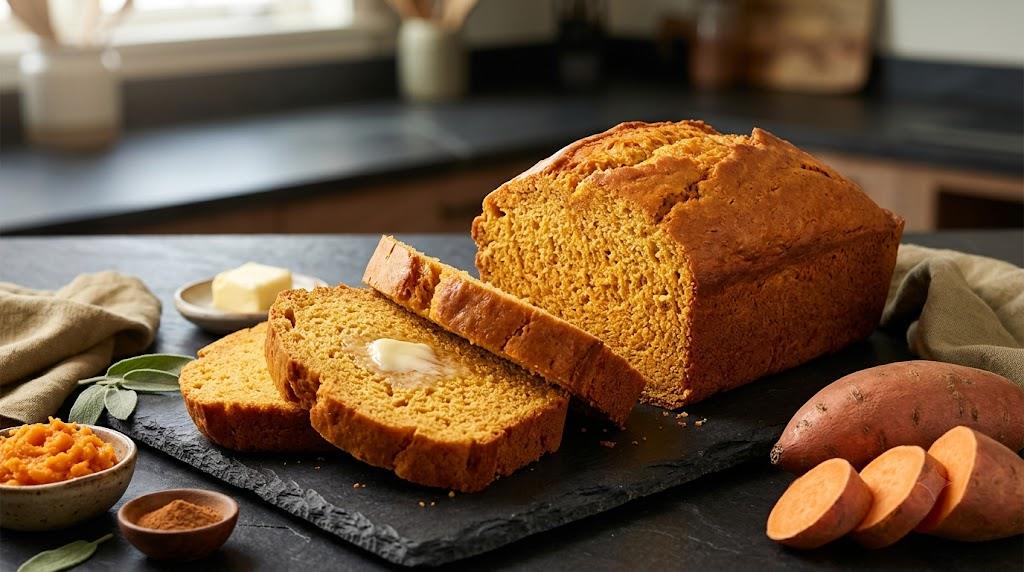
Sweet potato bread is a colorful and flavorful way to experiment with wheat-free baking. Mashed sweet potatoes give the loaf a naturally moist texture and a mild sweetness that pairs beautifully with cinnamon. It is particularly enjoyable during cooler months and can be served as a breakfast option or afternoon snack.
Why is it good for your diet?
Sweet potatoes are rich in beta-carotene, which the body converts into vitamin A. Vitamin A supports normal vision, immune function, and skin health. Oat flour contributes fiber, while almond flour provides vitamin E and unsaturated fats. These nutrients support normal body functions, although eating this bread alone will not guarantee glowing skin or weight loss. Ingredients:
- 1 cup mashed cooked sweet potato
- 1½ cups oat flour
- ½ cup almond flour
- 2 eggs
- ¼ cup maple syrup
- ¼ cup melted coconut oil
- 1 teaspoon baking powder
- ½ teaspoon cinnamon
Preparation:
- Preheat the oven to 350°F (175°C).
- Mash cooked sweet potatoes until smooth.
- Whisk with eggs, maple syrup, and melted coconut oil.
- Add oat flour, almond flour, baking powder, and cinnamon.
- Mix until evenly combined.
- Transfer into a lined loaf pan.
- Bake for approximately 40–50 minutes.
- Cool before slicing.
22. Rosemary and Olive Oil Focaccia
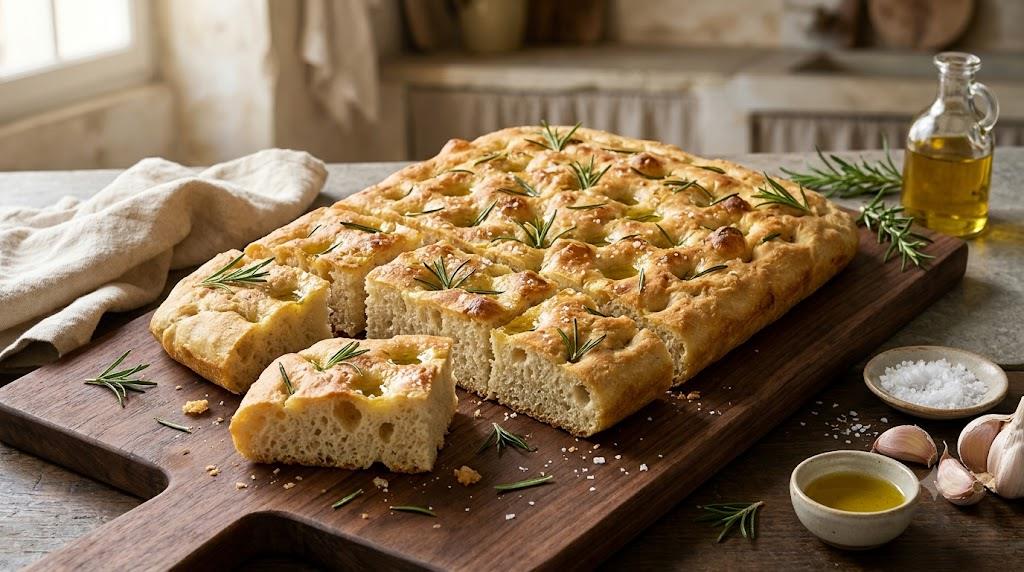
Focaccia is a classic Italian-style bread known for its golden surface, soft interior, and signature dimples. This wheat-free version uses a suitable gluten-free bread flour blend and plenty of olive oil to recreate its characteristic texture and flavor. Fresh rosemary and coarse salt make it especially delicious alongside salads, soups, and roasted vegetables.
Why is it good for your diet?
Olive oil is rich in monounsaturated fats, which can support heart health when used in place of less healthy fat sources. Rosemary contains naturally occurring plant compounds, while the flour blend provides carbohydrates. The amount of olive oil affects the overall calorie content, so this bread is best enjoyed as part of a balanced meal. Ingredients:
- 2½ cups gluten-free bread flour blend
- 2 teaspoons instant yeast
- 1 teaspoon salt
- 1 tablespoon honey
- 1½ cups warm water
- 3 tablespoons olive oil
- Fresh rosemary
- Coarse salt
Preparation:
- Combine flour, yeast, salt, honey, and warm water.
- Add olive oil and mix into a sticky dough.
- Spread into a generously oiled baking pan.
- Cover and let rise until puffy.
- Drizzle additional olive oil over the surface.
- Press dimples into the dough with your fingertips.
- Add rosemary and coarse salt.
- Bake at 400°F (200°C) for approximately 25–30 minutes until golden.
23. Pumpkin Spice Bread
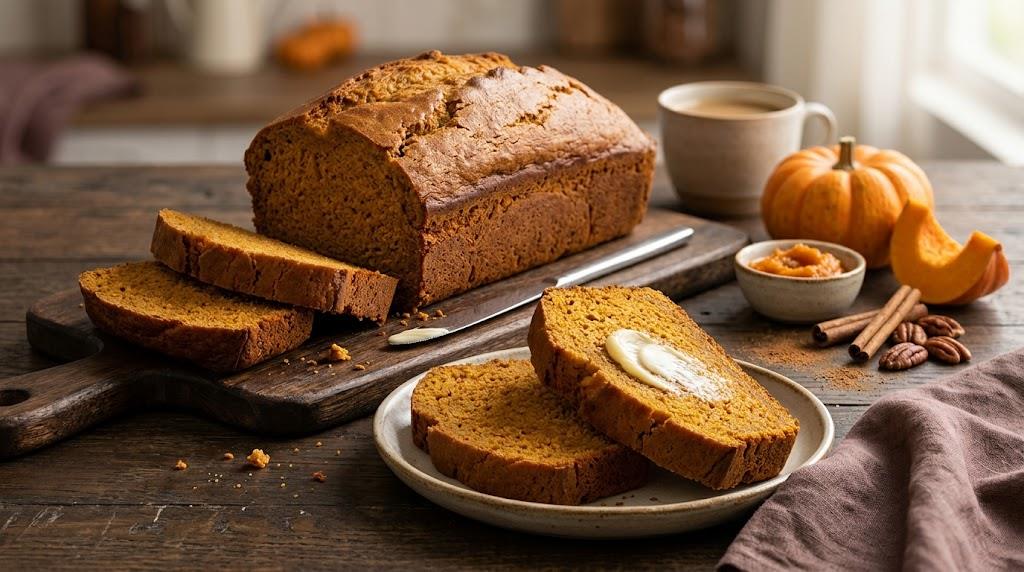
Pumpkin spice bread is a wonderful choice for anyone who enjoys seasonal baking. Its warm cinnamon and nutmeg flavors make it especially popular during fall, while pumpkin puree gives the loaf a soft and moist texture. Oat flour and almond flour work together to create a wheat-free version that pairs beautifully with coffee or tea.
Why is it good for your diet?
Pumpkin provides beta-carotene, which the body converts into vitamin A. This vitamin supports normal vision, immune function, and skin health. Oat flour contributes dietary fiber, while almond flour supplies vitamin E and unsaturated fats. Together, these ingredients provide several useful nutrients, although added sugar and oil still contribute to the recipe's overall calorie content. Ingredients:
- 1½ cups oat flour
- ½ cup almond flour
- 1 cup pumpkin puree
- 2 eggs
- ½ cup brown sugar
- ¼ cup vegetable oil
- 1 teaspoon baking powder
- 1 teaspoon cinnamon
- ½ teaspoon nutmeg
Preparation:
- Preheat the oven to 350°F (175°C).
- Whisk pumpkin puree, eggs, brown sugar, and oil.
- Add oat flour, almond flour, baking powder, cinnamon, and nutmeg. 4. Mix until smooth.
- Transfer into a lined loaf pan.
- Bake for approximately 45–55 minutes.
- Cool completely before slicing.
24. Homemade Seeded Bread
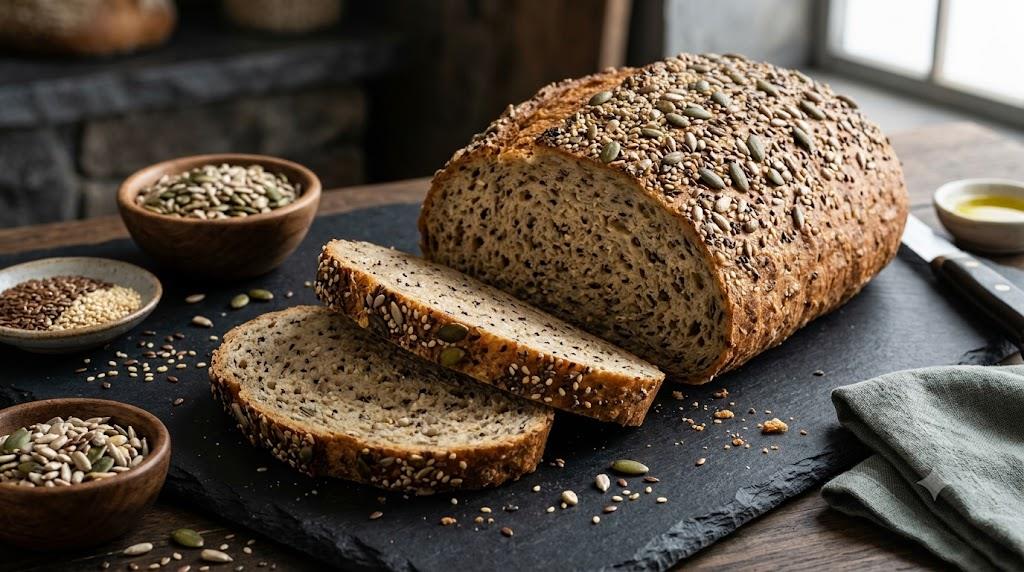
For anyone who enjoys bread with a little crunch, this homemade seeded loaf is a wonderful option. It combines rice flour and buckwheat flour with sunflower seeds, pumpkin seeds, and flaxseed. Every slice offers a mixture of textures, making it particularly delicious when toasted and topped with avocado or hummus.
Why is it good for your diet?
Seeds are small ingredients with an interesting nutritional profile. Flaxseed provides plant-based omega-3 fatty acids in the form of ALA, along with dietary fiber. Pumpkin seeds contribute magnesium and protein, while sunflower seeds provide vitamin E and unsaturated fats. Including different seeds in your diet can help increase the variety of nutrients you consume. Ingredients:
- 1½ cups rice flour
- ½ cup buckwheat flour
- ½ cup tapioca starch
- 2 tablespoons ground flaxseed
- 2 tablespoons sunflower seeds
- 2 tablespoons pumpkin seeds
- 1 tablespoon psyllium husk
- 2 teaspoons instant yeast
- 1 teaspoon salt
- 1 tablespoon honey
- 1½ cups warm water
Preparation:
- Mix psyllium husk with warm water and allow it to thicken.
- Combine rice flour, buckwheat flour, tapioca starch, yeast, and salt.
- Add honey and the psyllium mixture.
- Fold in ground flaxseed, sunflower seeds, and pumpkin seeds.
- Transfer the dough into a loaf pan.
- Cover and allow it to rise until puffy.
- Sprinkle extra seeds over the top if desired.
- Bake at 375°F (190°C) for approximately 40–50 minutes.
- Cool completely before slicing.
25. Chocolate Chip Banana Bread
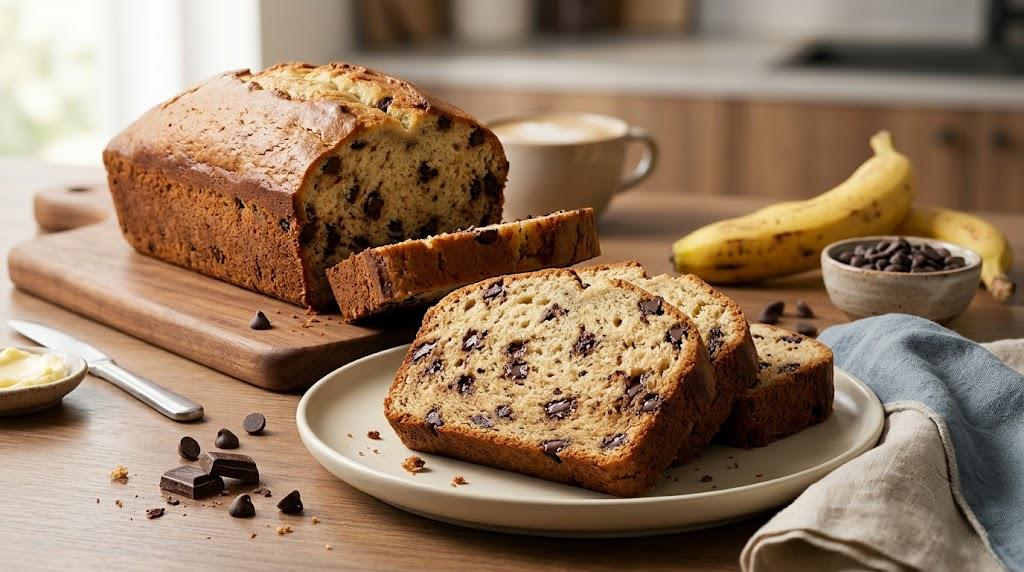
We couldn't finish a collection of homemade bread recipes without including something chocolatey! This chocolate chip banana bread combines ripe bananas, oat flour, and chocolate chips to create a soft and sweet loaf. It is a great option for weekend baking, brunch gatherings, or an afternoon treat when you want something homemade.
Why is it good for your diet?
Bananas provide potassium and carbohydrates, while oats contribute beta-glucan and dietary fiber. Eggs provide protein, which helps maintain body tissues. Dark chocolate chips can also contribute small amounts of antioxidant compounds, depending on the cocoa content. However, chocolate chips and maple syrup add sugar and calories, so this is best treated as an enjoyable snack rather than a weight-loss food. Ingredients:
- 2 cups oat flour
- 2 ripe bananas
- 2 eggs
- ⅓ cup maple syrup
- ¼ cup melted butter
- ½ cup chocolate chips
- 1 teaspoon baking powder
- 1 teaspoon vanilla extract
- ½ teaspoon cinnamon
Preparation:
- Preheat the oven to 350°F (175°C).
- Mash the bananas in a large mixing bowl.
- Add eggs, maple syrup, melted butter, and vanilla.
- Stir in oat flour, baking powder, and cinnamon.
- Fold in chocolate chips.
- Pour the batter into a lined loaf pan.
- Bake for approximately 45–50 minutes.
- Allow the loaf to cool before slicing.
How to Choose the Right Wheat-Free Flour Choosing the right flour can make a significant difference in both the taste and nutritional value of homemade bread. If you're looking for more plant-based protein, chickpea and quinoa flour are useful choices. For additional fiber, consider oat flour, buckwheat, and seeds. Almond flour is an option for people who want to include more vitamin E and unsaturated fats in their baking. Here is a quick guide: Your preference Flour to consider More plant-based protein Chickpea or quinoa flour More dietary fiber Oat or buckwheat flour Vitamin E and healthy fats Almond flour Mild flavor Rice or oat flour Savory flatbreads Chickpea or buckwheat flour Sweet breakfast breads Oat or almond flour Chewy texture Tapioca starch Root-based alternative Cassava flour One important thing to remember is that alternative flours behave differently. Some absorb more water, while others need additional binding ingredients. Following a recipe developed specifically for your chosen flour will generally produce better results. 5 Common Mistakes to Avoid When Making Wheat-Free Bread Even a good recipe can turn out differently when alternative flours are involved. Here are some common mistakes to watch out for.
- Using only one type of flour: Some flours lack the structure needed for a good loaf.
Suitable combinations of flour and starch can improve texture.
- Forgetting binding ingredients: Psyllium husk and xanthan gum can help provide structure and reduce crumbling in suitable recipes.
- Adding too much liquid: Different flours absorb moisture differently. Follow the measurements rather than adjusting liquid randomly.
- Cutting bread while it's hot: Freshly baked wheat-free bread often needs time to set.
Allow it to cool completely before slicing.
- Expecting every alternative to taste like wheat bread: Buckwheat, almond, chickpea, and coconut flour all have distinctive flavors. Choose combinations that complement the recipe.
How to Store Homemade Wheat-Free Bread Homemade bread doesn't always have the same shelf life as commercially produced bread. Storage depends on moisture, ingredients, and preparation methods.
- Room temperature: Store completely cooled bread in an airtight container for
short-term use, following the recipe's storage instructions.
- Refrigeration: Some moist breads containing eggs or dairy may need refrigeration.
Keep them properly covered to prevent drying.
- Freezing: Slice the cooled loaf and store portions in a freezer-safe bag or container.
This makes it easier to take out only what you need.
- Reheating: Frozen slices can generally be toasted directly, depending on the recipe.
Frequently Asked Questions
- What is the best flour for wheat-free bread?
There isn't one universal choice. Oat flour, buckwheat flour, rice flour, almond flour, and millet flour can all work well. The best option depends on the texture, flavor, and nutritional qualities you're looking for.
- Is wheat-free bread healthier than regular bread?
Not automatically. Some wheat-free breads contain more fiber or protein, while others are primarily made from refined starches. Compare the nutritional information, including protein, fiber, sodium, added sugar, and calories, rather than relying only on the wheat-free label.
- Is wheat-free bread suitable for people with celiac disease?
Not necessarily. Wheat-free bread may still contain gluten from barley or rye. People with celiac disease need appropriately certified gluten-free ingredients and careful prevention of cross-contact.
- Which wheat-free flour has the most protein?
Chickpea flour, almond flour, and quinoa flour are useful protein-containing options. Exact protein levels vary between products.
- Can wheat-free bread help with weight management?
It can be part of a balanced eating plan, but avoiding wheat alone does not cause weight loss. Ingredients such as oats, seeds, and chickpea flour provide fiber, which may help with fullness. Total calories, portions, and overall eating habits also matter.
- Can I make wheat-free bread without yeast?
Yes. Quick breads prepared with baking powder or baking soda don't require yeast. Banana bread, pumpkin bread, cornbread, and several almond flour recipes are good examples.
- Why does wheat-free bread crumble?
Crumbly bread can result from insufficient binding ingredients, unsuitable flour combinations, incorrect moisture levels, or slicing before cooling. Psyllium husk and xanthan gum can help in appropriate recipes.
- Can homemade wheat-free bread be frozen?
Yes. Allow it to cool completely, slice it, and store it in a freezer-safe container. Individual slices can be toasted or reheated when needed.
- Is oat flour always gluten-free?
Oats are naturally free of wheat, but they can become contaminated with wheat, barley, or rye during processing. Choose oats specifically labeled gluten-free when gluten avoidance is necessary.
- What is the difference between wheat-free and grain-free bread?
Wheat-free bread excludes wheat but may contain other grains, such as rice, oats, millet, or corn. Grain-free bread excludes grains altogether and may use almond, coconut, or cassava flour instead. Final Thoughts Making bread without traditional wheat flour doesn't mean sacrificing flavor, variety, or the enjoyment of homemade baking. From fiber-containing oat and buckwheat loaves to protein-containing chickpea and quinoa alternatives, there are plenty of ingredients worth exploring. Each flour brings its own nutritional qualities, and combining them can open up a whole new world of homemade recipes. Start with a simple sandwich loaf, experiment with savory flatbreads, or prepare a sweet banana bread for your next breakfast. You might discover that some of these alternatives become regular favorites in your kitchen. The best approach is to choose ingredients that suit your dietary needs, experiment with different textures, and enjoy a varied, balanced diet. Happy baking! Disclaimer: This article provides general food and nutrition information, not individualized medical advice. Nutritional benefits depend on ingredients and serving sizes. People with wheat allergies or celiac disease should check product labels and take appropriate precautions against cross-contact.